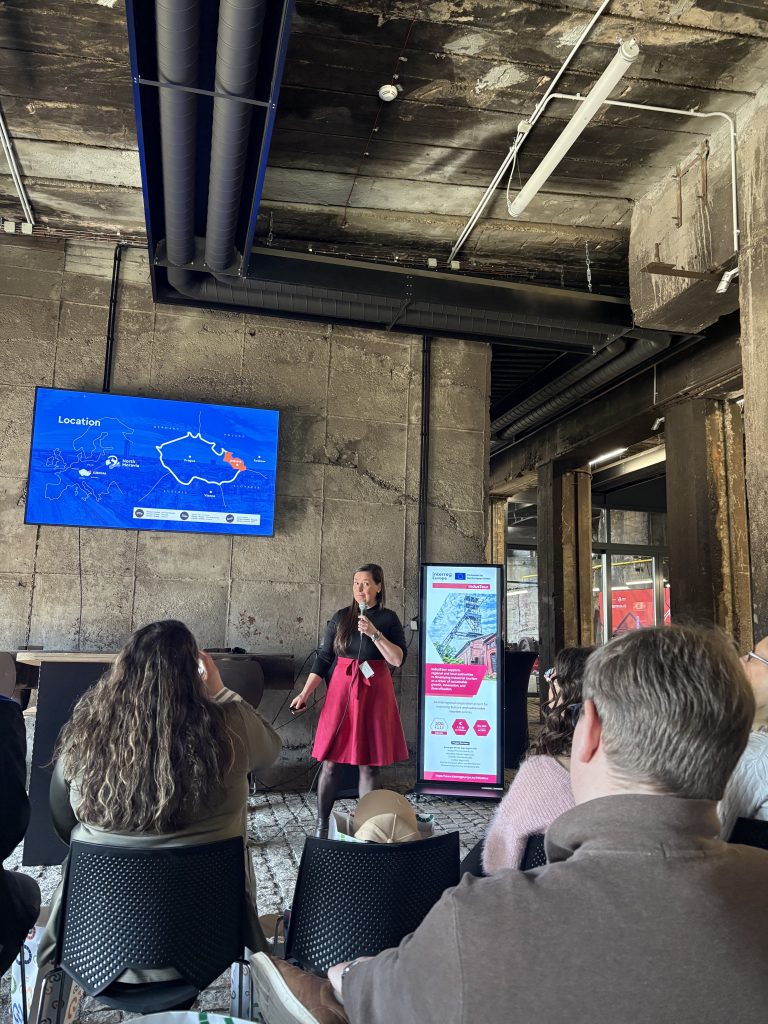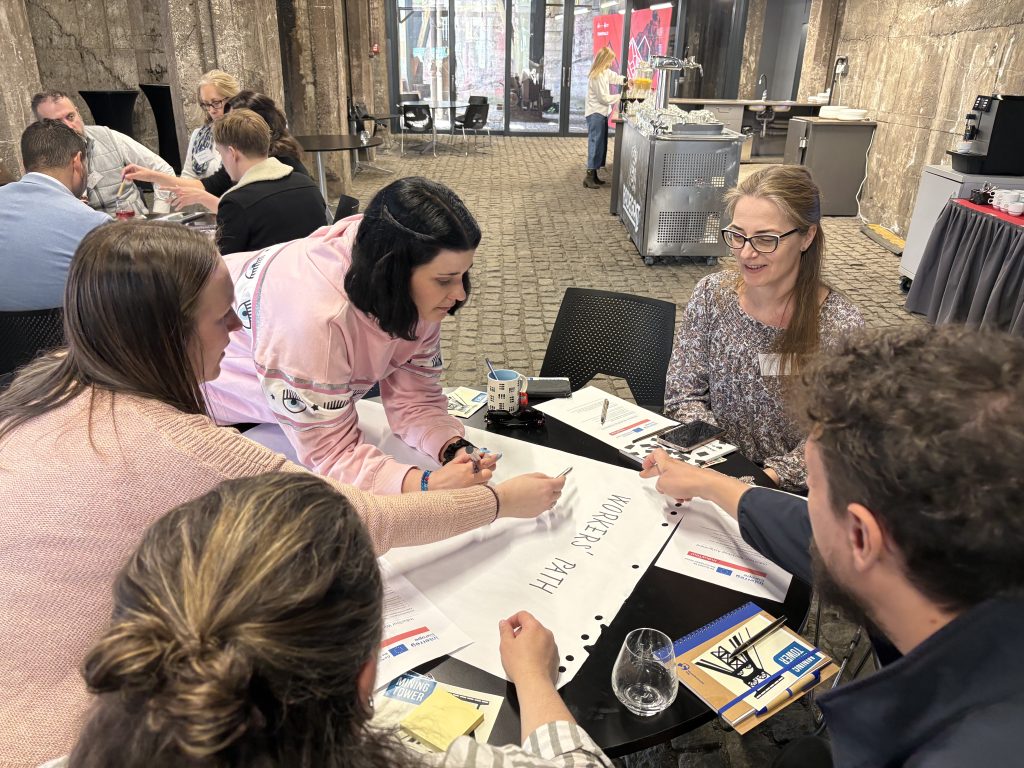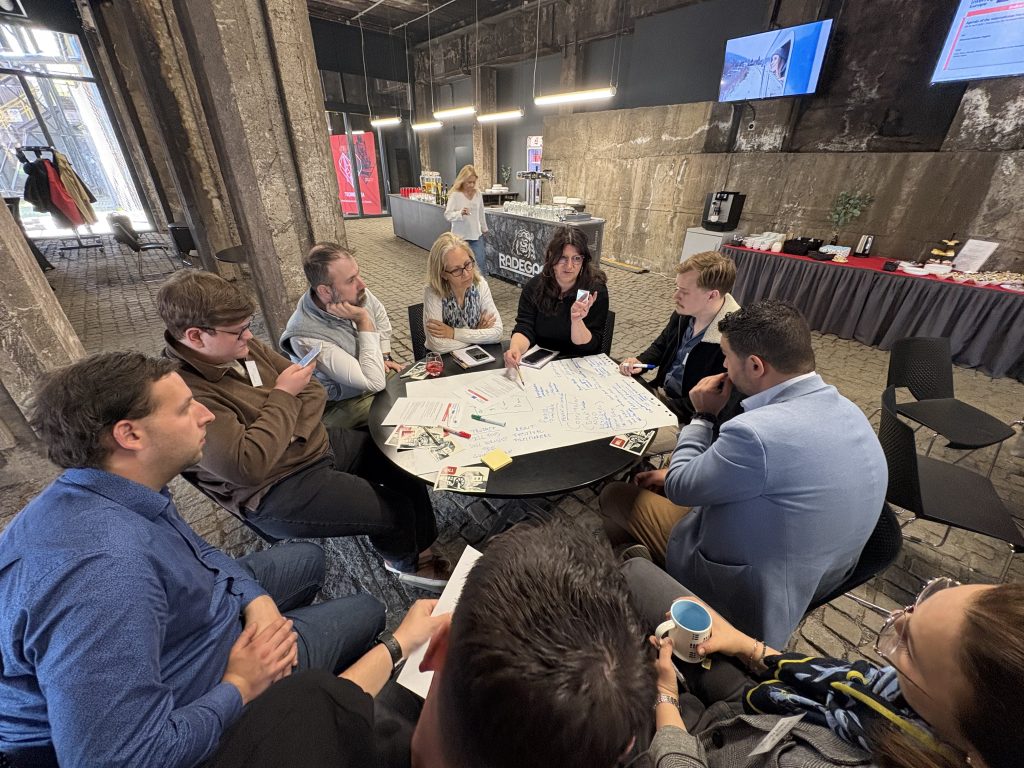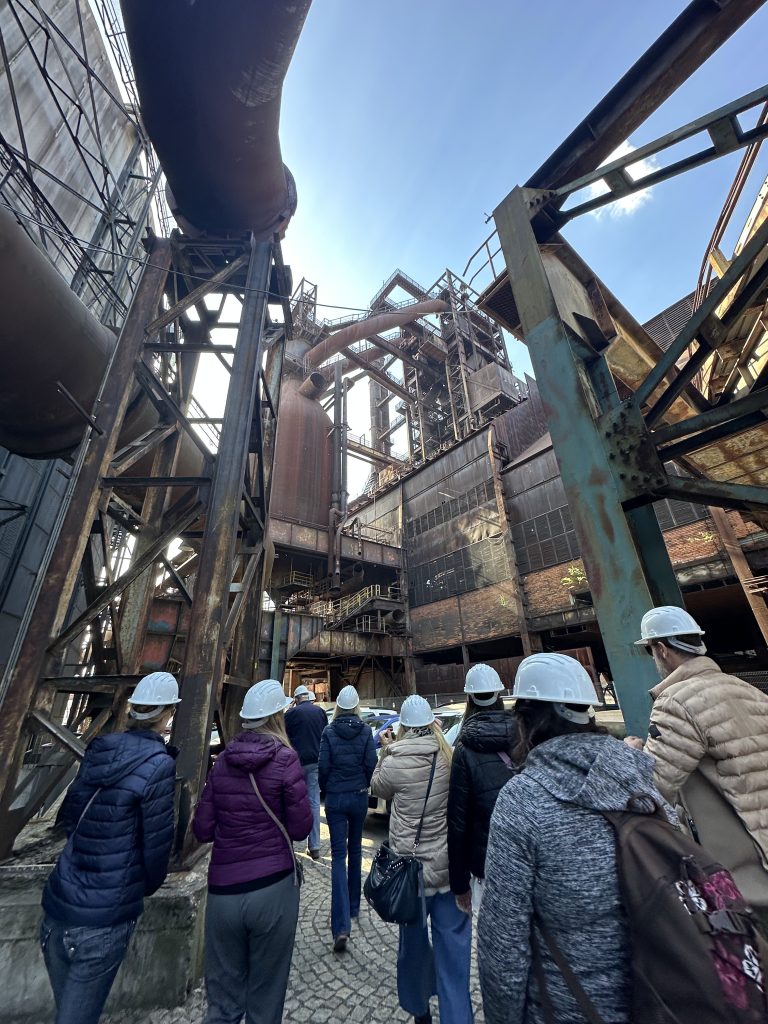


The participation of the Nicosia Tourism Board in the IndusTour International Meeting in Ostrava offered far more than a traditional project meeting. Through a series of carefully selected study visits, the delegation from NTB, Sotiris, Christoforou, Angeliki Vasileiadou, and Aggeliki Michael had the opportunity to experience first-hand how industrial heritage, innovation, culture, and tourism can successfully coexist and contribute to regional development.
Each location visited during the programme represented a different model and approach to industrial tourism, offering important lessons and best practices that can inspire future initiatives within the framework of the IndusTour project.
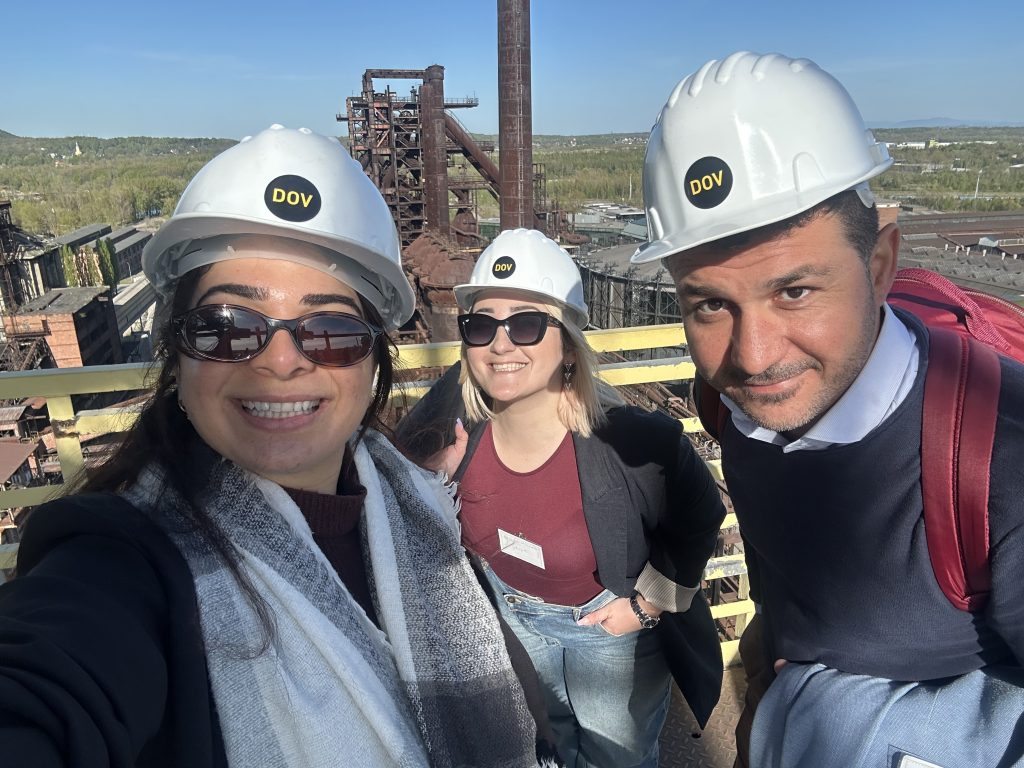
Dolní oblast Vítkovice – Industrial Heritage as a Tourism Landmark
One of the most significant visits was to Dolní oblast Vítkovice, a former industrial complex that has been transformed into a globally recognised cultural and tourism destination. The site demonstrated how industrial heritage can be preserved while simultaneously being adapted for modern uses including tourism, education, events, and cultural activities.
For the Nicosia Tourism Board, this visit highlighted the importance of:
- preserving industrial identity rather than replacing it,
- creating multifunctional tourism spaces,
- combining history with innovation and visitor experience,
- and using storytelling as a tool for destination branding.
This serves as an important best practice example for how industrial or historical assets in Cyprus could be reimagined and integrated into sustainable tourism development strategies.
Hyundai Nošovice – Connecting Industry and Tourism
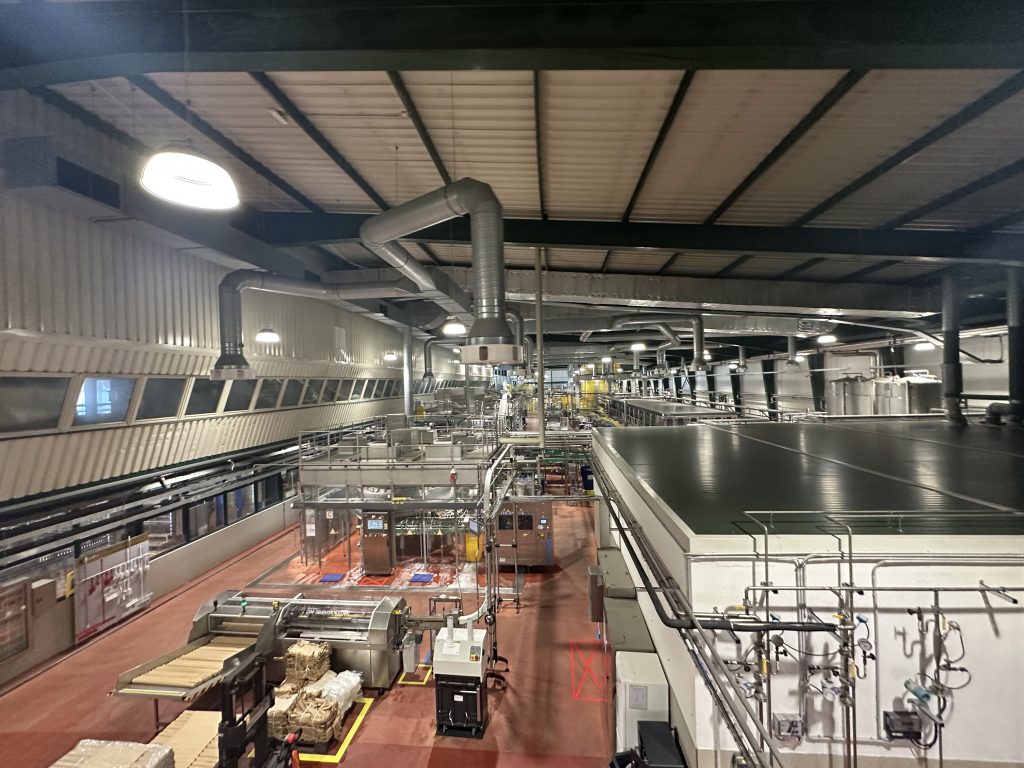
The visit to the Hyundai Nošovice production plant showcased how active industrial facilities can become part of the tourism experience through organised technical visits and educational tourism.
This demonstrated that industrial tourism is not limited to historical sites alone. Modern industry can also become a tourism product when accessibility, interpretation, and visitor engagement are properly developed.
For Nicosia, this provides valuable insight into:
- diversifying tourism products,
- developing educational and business tourism experiences,
- and building stronger connections between local industries and tourism stakeholders.
The visit reinforced the idea that innovation and manufacturing can contribute positively to destination identity and visitor interest.
Radegast Brewery – Local Identity and Experiential Tourism
The study visit to the Radegast Brewery in Nošovice illustrated how local products and industrial traditions can become powerful tourism attractions linked to regional identity.
The brewery experience successfully combined:
- industrial production,
- cultural storytelling,
- gastronomy,
- and experiential tourism.
For the Nicosia Tourism Board, this highlighted the growing importance of authentic visitor experiences and the value of promoting local identity through tourism products. Similar approaches could support the promotion of Cypriot traditions, crafts, gastronomy, and production heritage within tourism strategies.
Flaschar Mine – Preserving Authentic Experiences
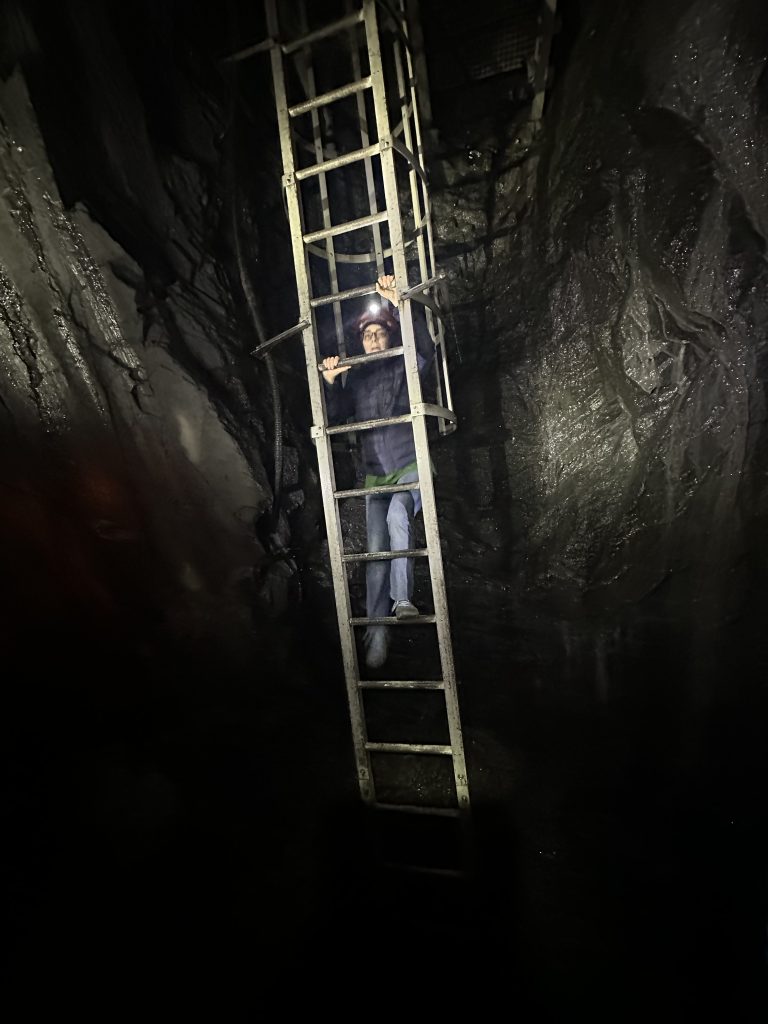
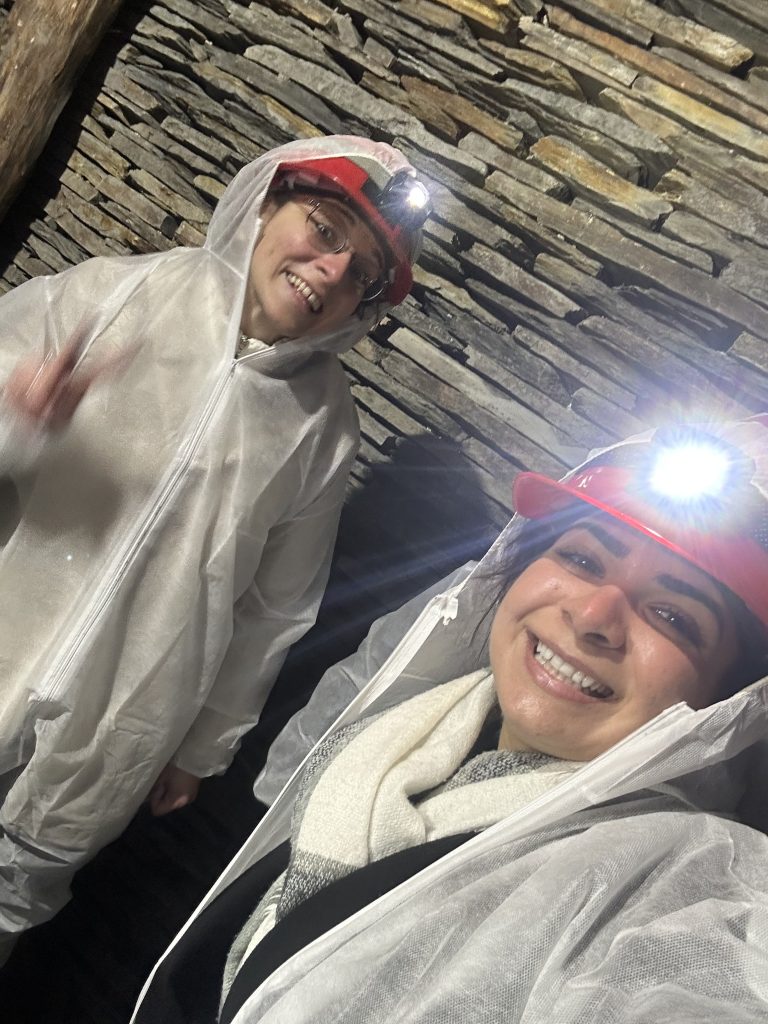
The visit to Flaschar Mine demonstrated the value of authenticity in industrial tourism. Rather than modernising or commercialising the site excessively, the experience preserved the atmosphere and reality of the mining environment.
This approach showed how:
- authenticity creates emotional connections,
- immersive experiences increase visitor engagement,
- and heritage interpretation can educate future generations.
For Nicosia, this serves as a strong example of how preserving authenticity can become a competitive advantage in cultural and heritage tourism development.
Bartošovický Mill – Small-Scale Heritage with Big Tourism Potential
The visit to Bartošovický Mill highlighted how even smaller heritage locations can contribute significantly to tourism when integrated into wider regional tourism networks.
The mill demonstrated:
- the importance of local community involvement,
- preserving traditional craftsmanship,
- and connecting rural heritage with tourism experiences.
This offers valuable lessons for smaller communities and local heritage sites in Cyprus, proving that tourism development does not always require large-scale infrastructure but can instead focus on authenticity, local stories, and regional collaboration.
The Importance of International Cooperation and Knowledge Exchange
Beyond the visits themselves, the IndusTour meeting reinforced the importance of international cooperation and the exchange of best practices between European regions.
The Nicosia Tourism Board greatly benefited from discussions with project partners, gaining practical knowledge, inspiration, and new perspectives on how industrial tourism can support:
- sustainable regional development,
- cultural heritage preservation,
- tourism diversification,
- and community engagement.
Special appreciation is extended to the organisers from the Moravian-Silesian Region and to the Serbian partners for their hospitality, collaboration, and contribution to the success of the meeting.
Participation in initiatives such as IndusTour strengthens the ability of destinations like Nicosia to learn from successful European examples and adapt innovative ideas to local realities and future tourism planning.